NEW
Ferosticker Self-Activating Fire Suppression
Electrical fires in RVs and boats tend to start where nobody is looking - battery compartments, inverter bays, fuse panels, storage lockers and engine bays. Ferosticker is a small passive device that sits inside those enclosed spaces and acts on a fire at its earliest stage, with no power, wiring or anyone present. It is an extra layer of protection, not a replacement for a fire extinguisher or smoke alarm.
Key features
- Self-activating, with no power supply, wiring or maintenance required
- Triggers automatically at around 170°C, or on direct flame contact
- Releases a potassium-based aerosol that interrupts combustion at its earliest stage
- CE marked, with an EU Type Examination Certificate
- Non-toxic and residue-free, so it is safe to fit around electronics
- Peel-and-stick install above the highest-risk point in the space, no tools needed
- Sized by the enclosed volume of the space in cubic metres, not by surface area
- Available in round and strip formats to suit different lids, panels and cabinets
RV use case
The value here is coverage for the spaces you can't watch. A fault in a house battery bay, inverter or charger compartment, fuse panel or under-seat locker can start while you're asleep, parked up or away from the van, and by the time a smoke alarm picks it up the fire is already established. A correctly sized Ferosticker fitted to the lid or roof of that space sits there doing nothing until it's needed. The same logic carries straight over to a boat: bilges, battery banks, electrical panels and engine bays are all enclosed spaces where it fits naturally.
Pros
- Works automatically, whether or not anyone is in the van
- No power, wiring or ongoing maintenance
- Peel-and-stick install takes minutes and needs no tools
- Independently certified - CE marked with an EU Type Examination Certificate
- One product covers both RV and boat compartments
Cons
- Not really a con, but worth highlighting: it can't cut the power or fix the fault, so if the ignition source stays live a fire can restart. You also need to measure each space to size it correctly.
Best for
RV and boat owners with enclosed battery, inverter or electrical compartments who want a passive extra layer of protection alongside their extinguisher and smoke alarm.
Verdict
Ferosticker isn't a miracle device, and it doesn't pretend to be one. What it does is sit quietly in the enclosed spaces where RV electrical fires are most likely to start, and act on a fire at the earliest stage without needing power or a person nearby. That enclosed space is the key: it only works properly in a closed or semi-closed compartment, because in open air the aerosol disperses and loses its concentration. It also isn't designed to fully extinguish every type of fire, and it won't stop lithium battery thermal runaway. Sized correctly for the volume of each bay, it's a sensible, low-effort layer to add on top of a proper extinguisher and smoke alarm. If one ever does activate, ventilate the space and have the cause investigated before anything is switched back on.
Where to buy
Available direct from ferosticker.com.

Ferosticker comes in two formats - a round unit and a flexible strip - both designed to sit inside the spaces a fire is most likely to start.
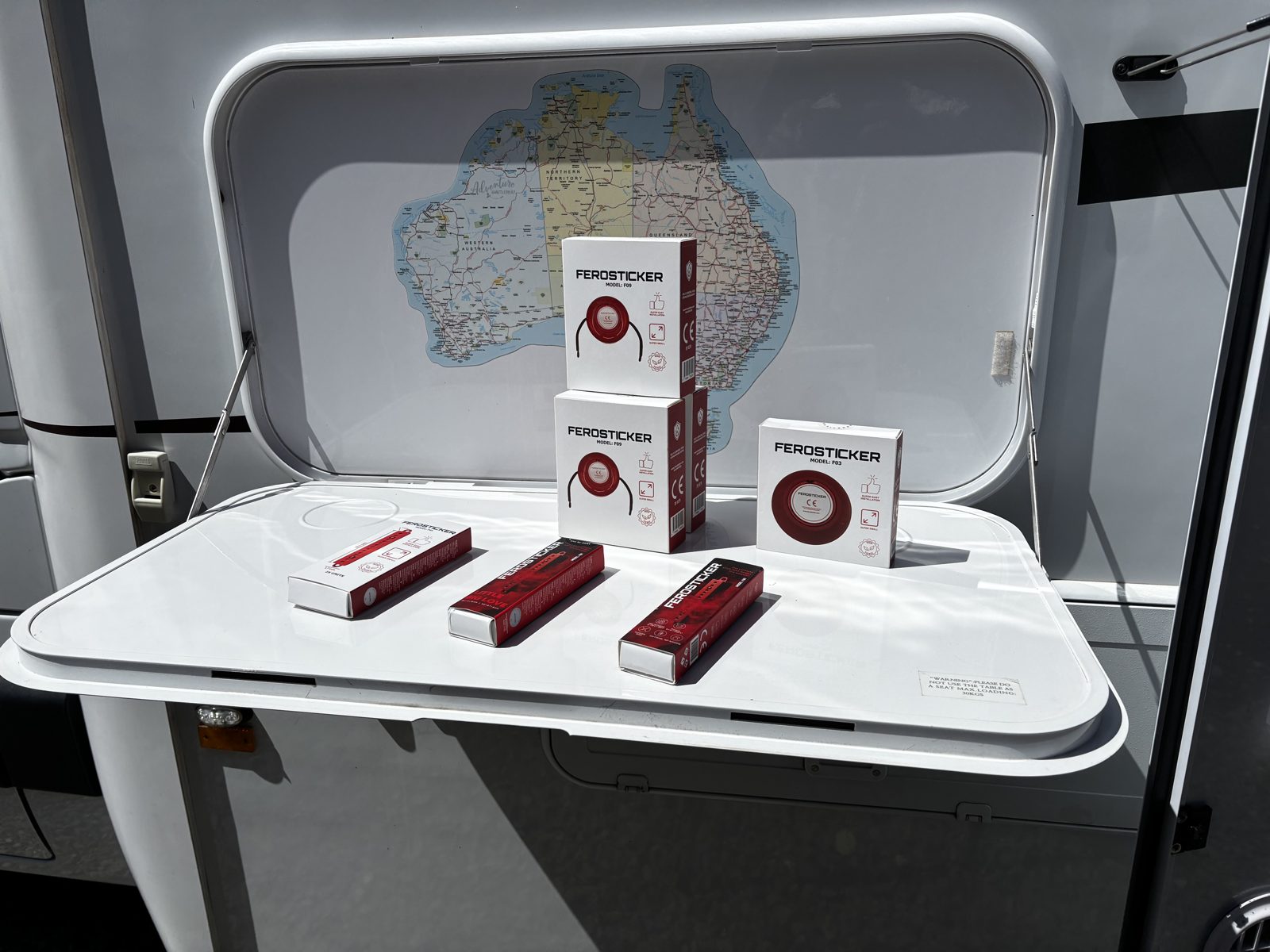
The full range laid out on a storage hatch - round units for lids and ceilings, strips for narrower spaces.
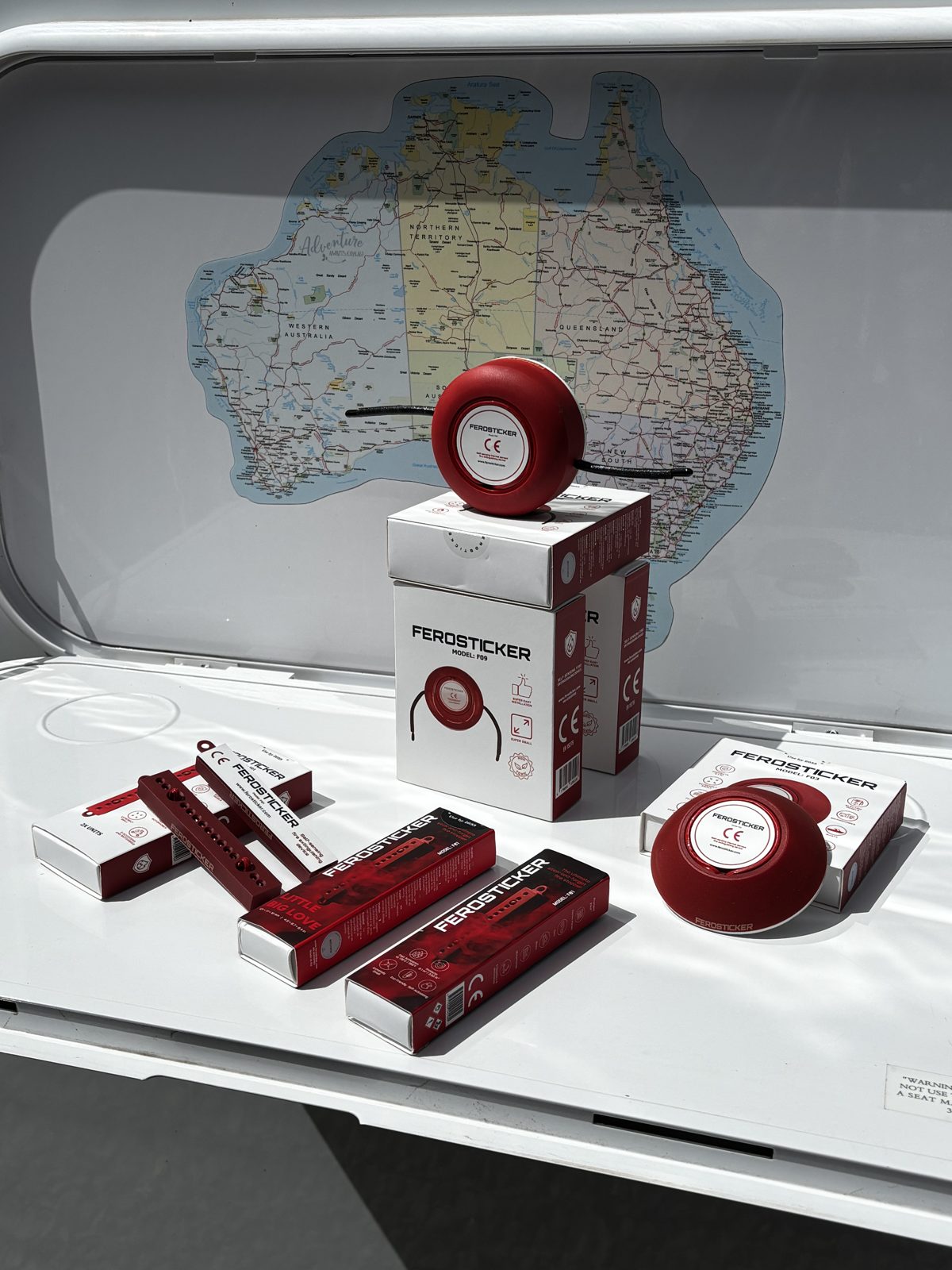
The round unit is compact enough to disappear on the underside of most compartment lids.
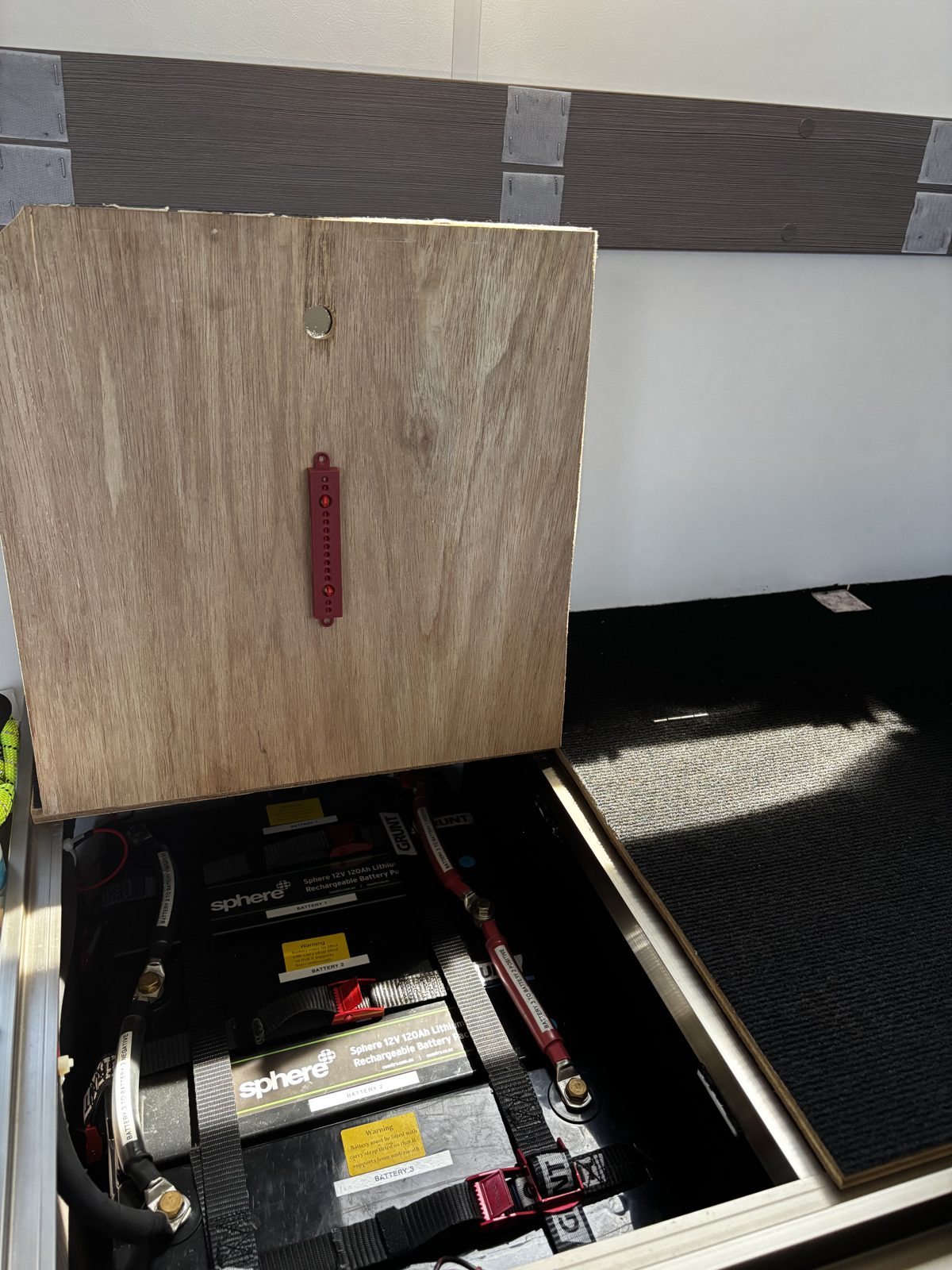
A strip on the underside of the battery bay lid, sitting directly above where a fault would start.
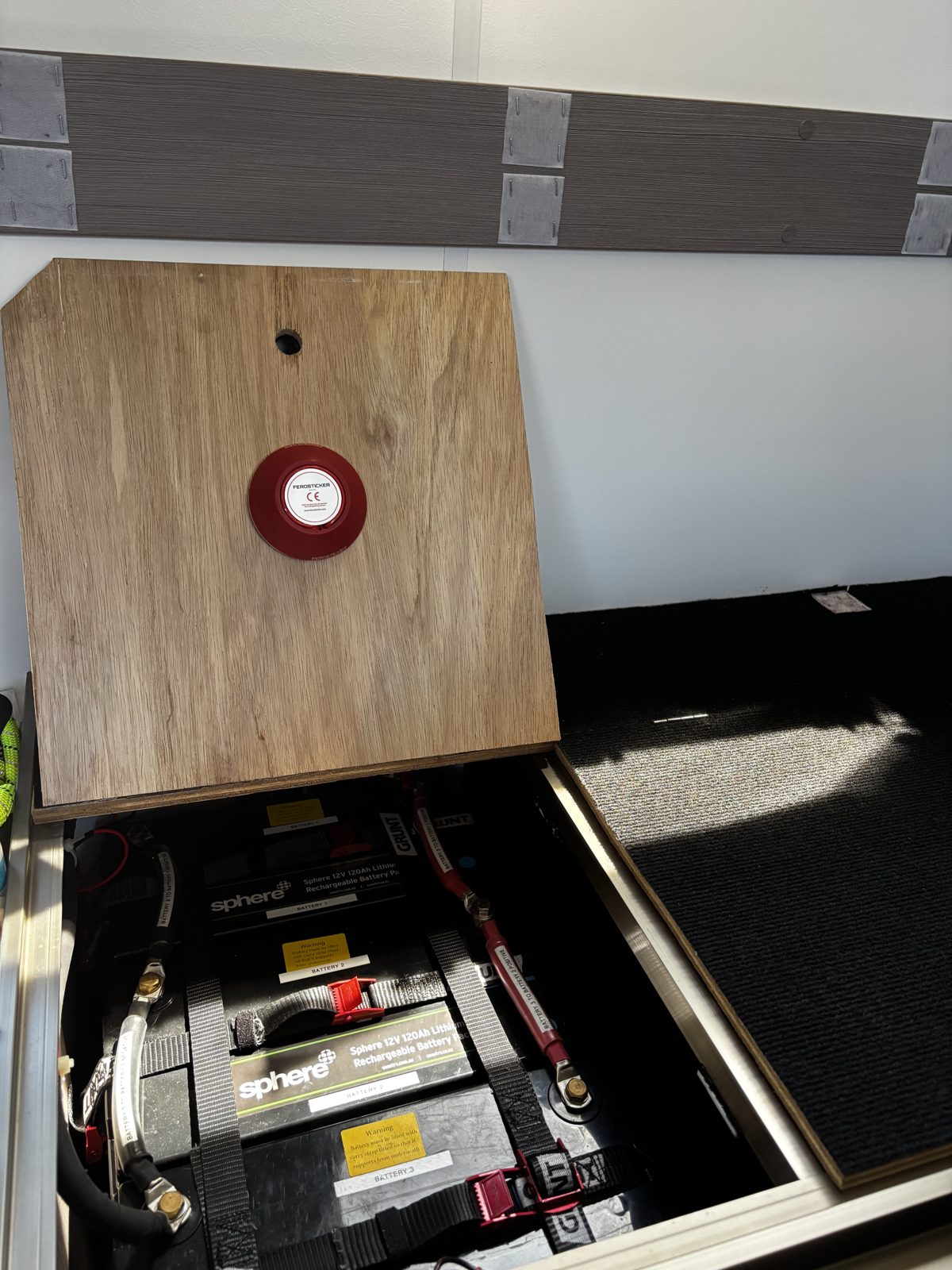
The round format on the same lid - the choice comes down to the shape of the space and the volume it needs to cover.
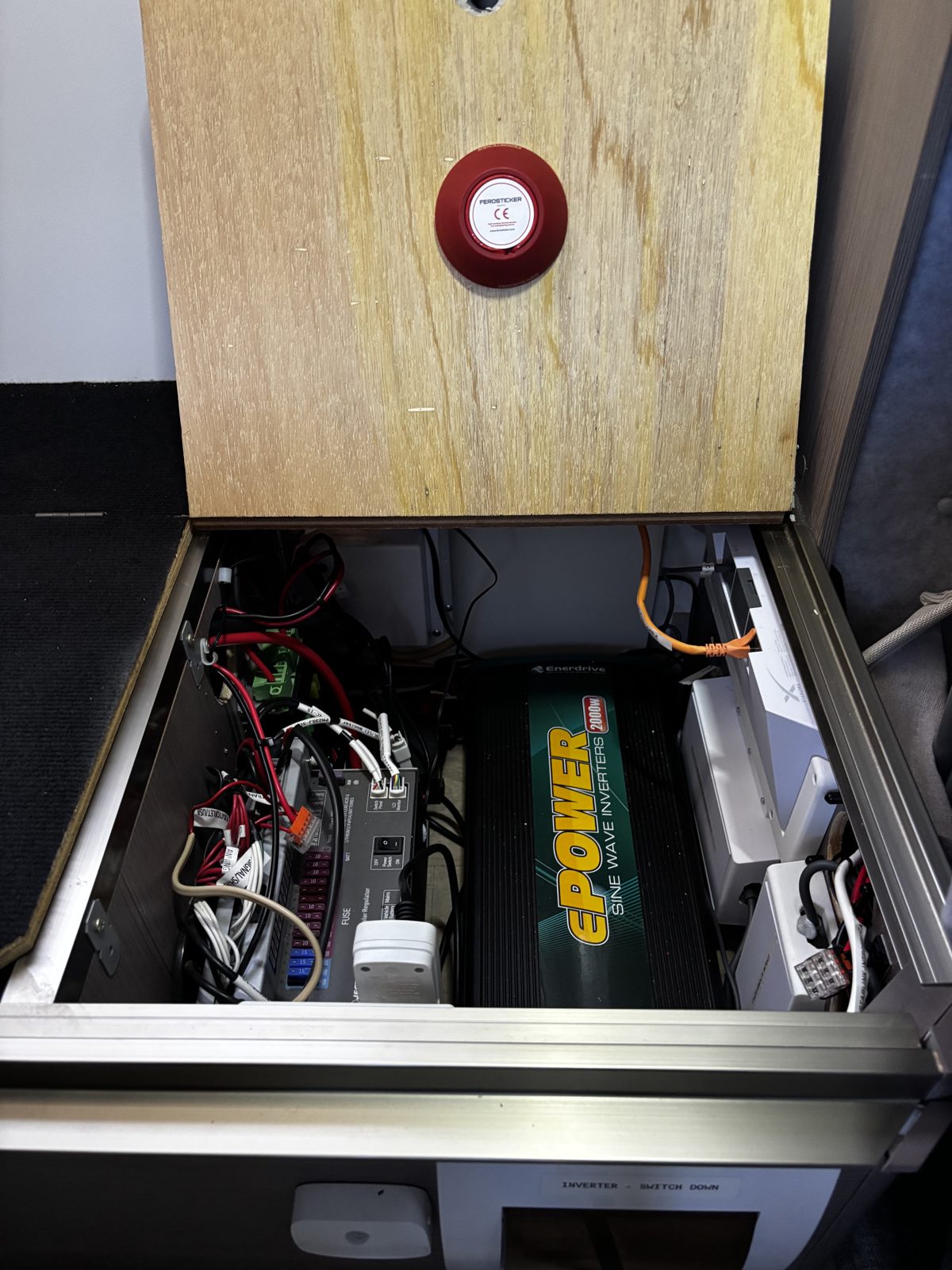
Inverter and battery bays are exactly the kind of closed, unwatched space this is built for.
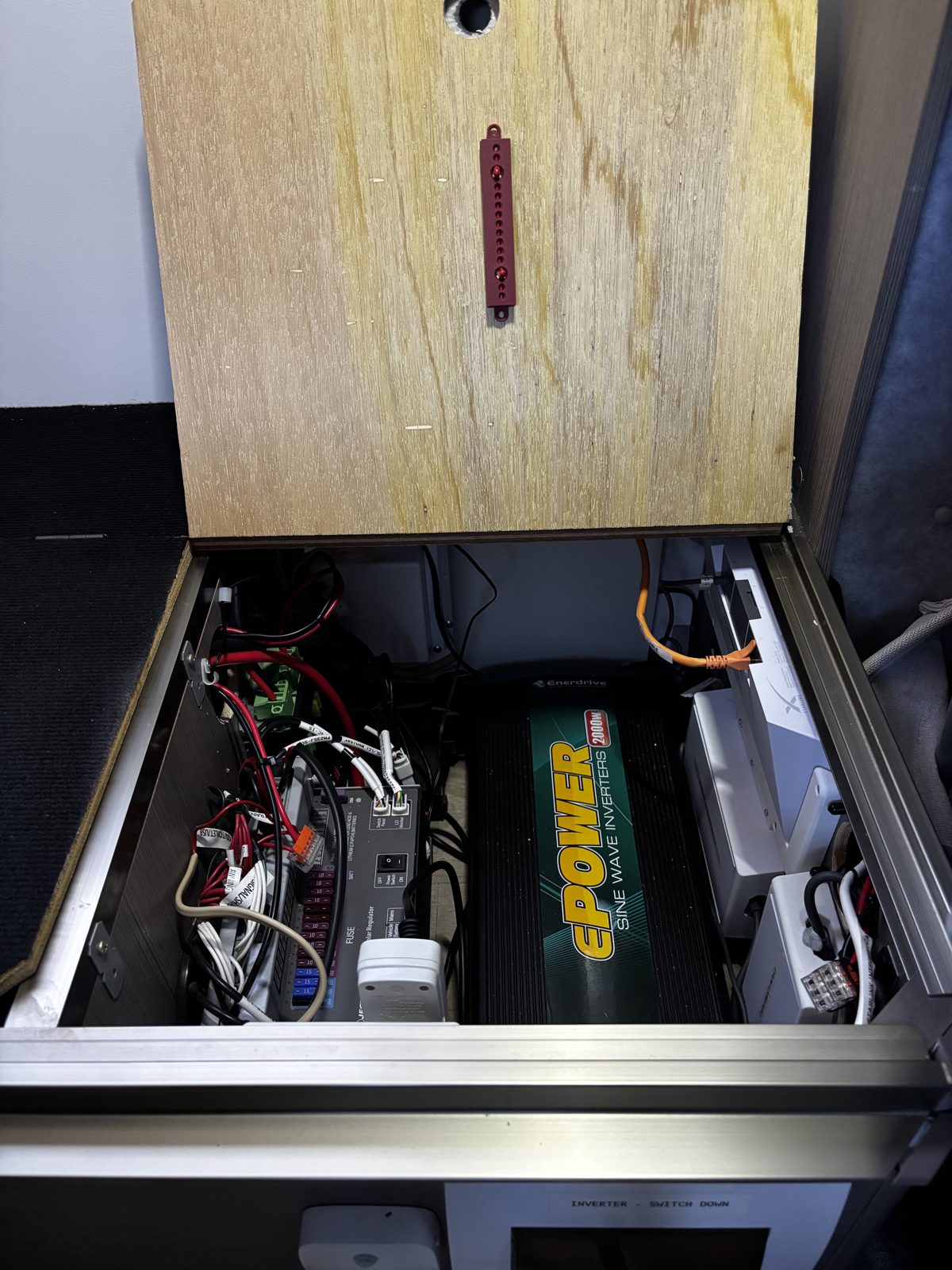
A strip over the same bay - peel, press and done, with no wiring back to anything.
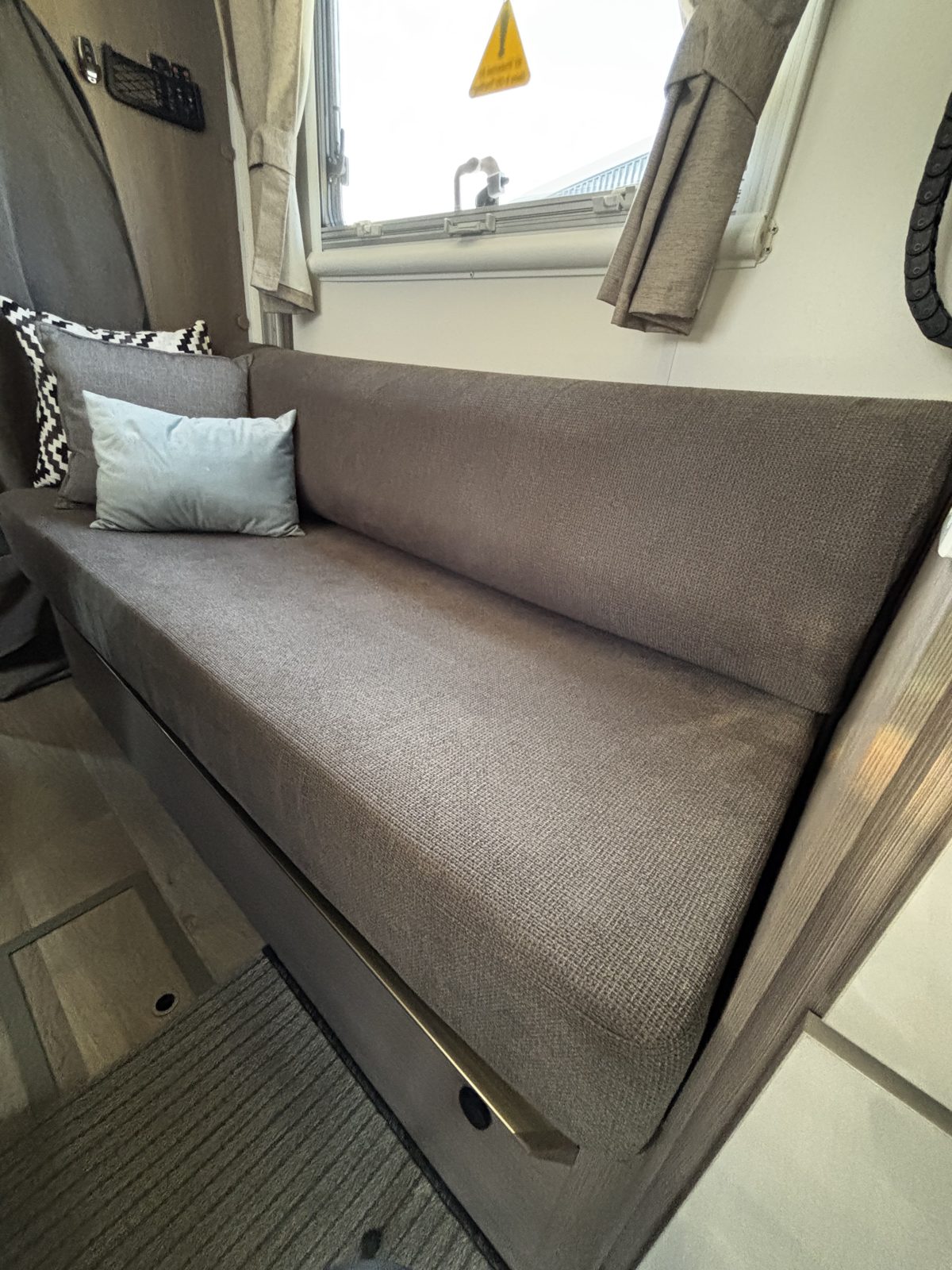
Under-seat lockers often hide cabling and gear nobody checks - another enclosed space worth covering.
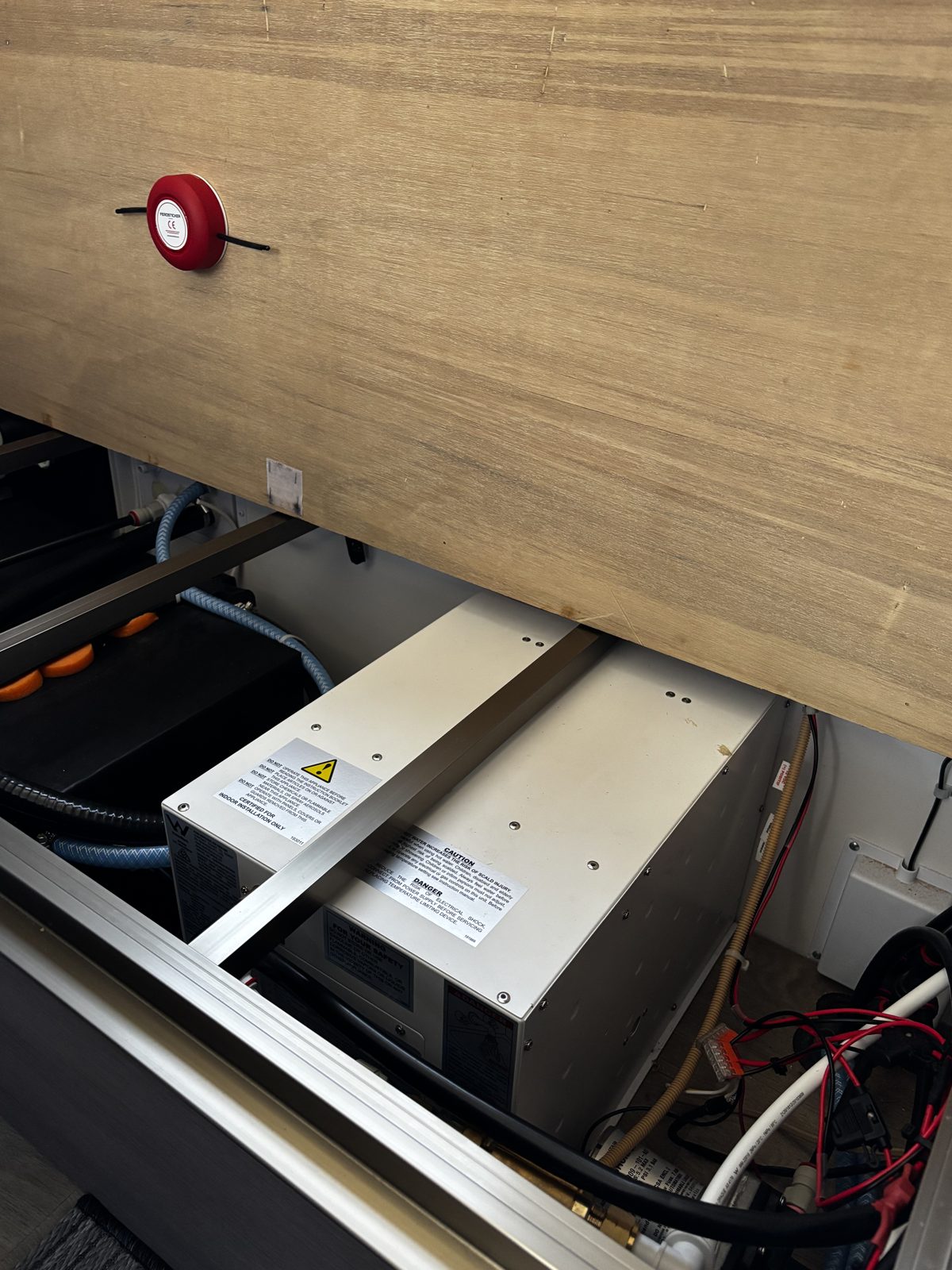
Mounted above a charger, where heat and current are concentrated in a tight space.
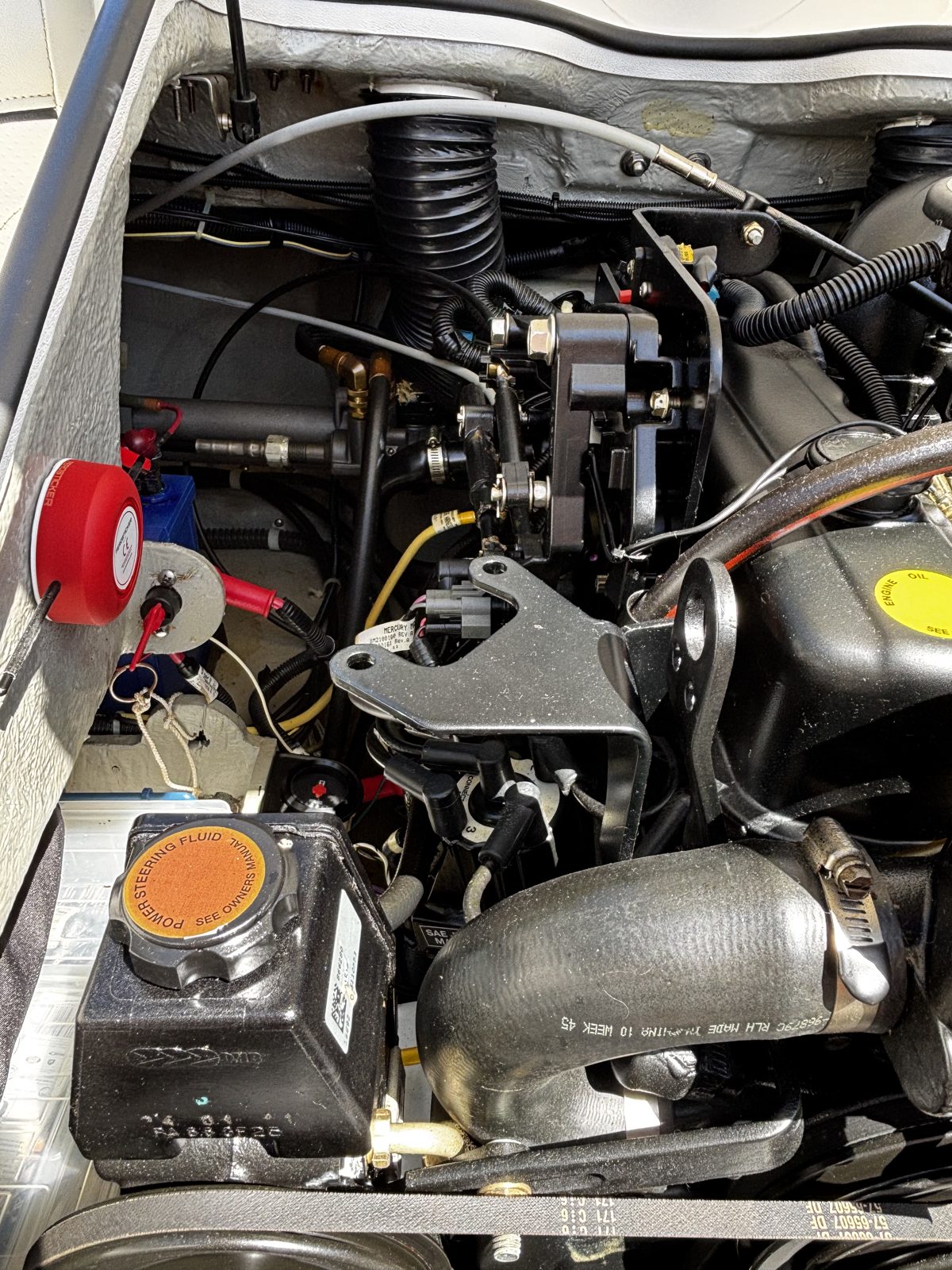
Engine bays are semi-enclosed and full of wiring, so the device earns a place here too.
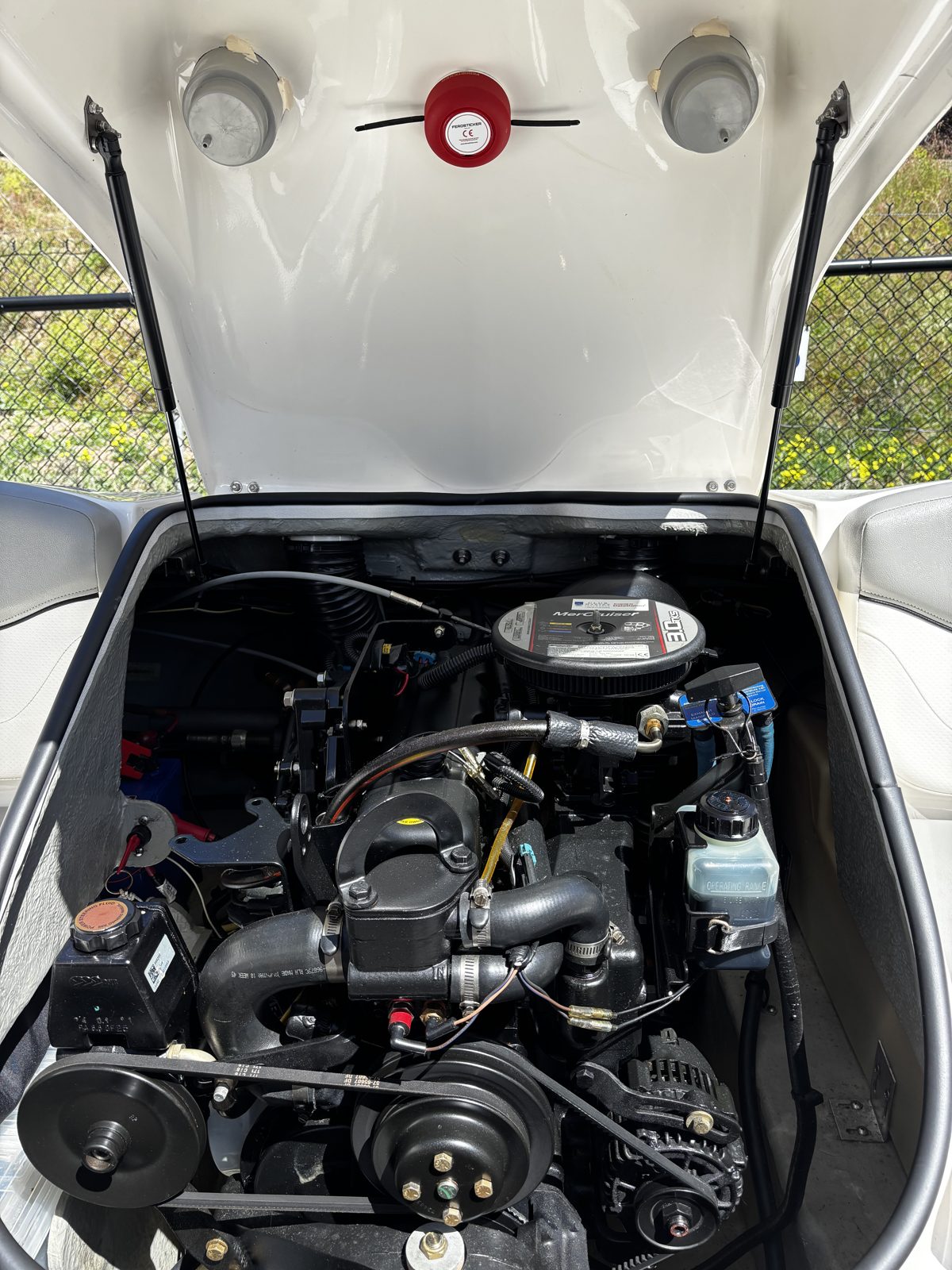
On the water, the underside of the engine hatch is the natural spot - the same install, a different kind of rig.